2025-04-25
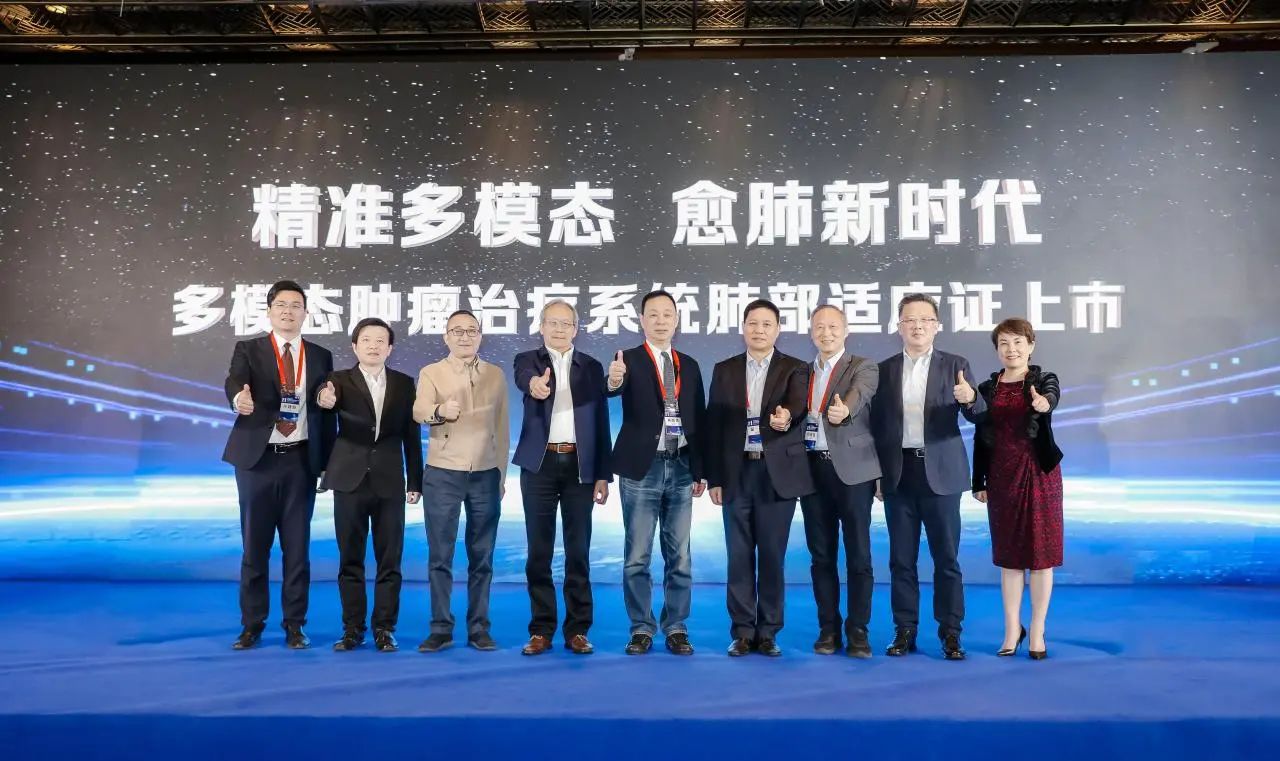
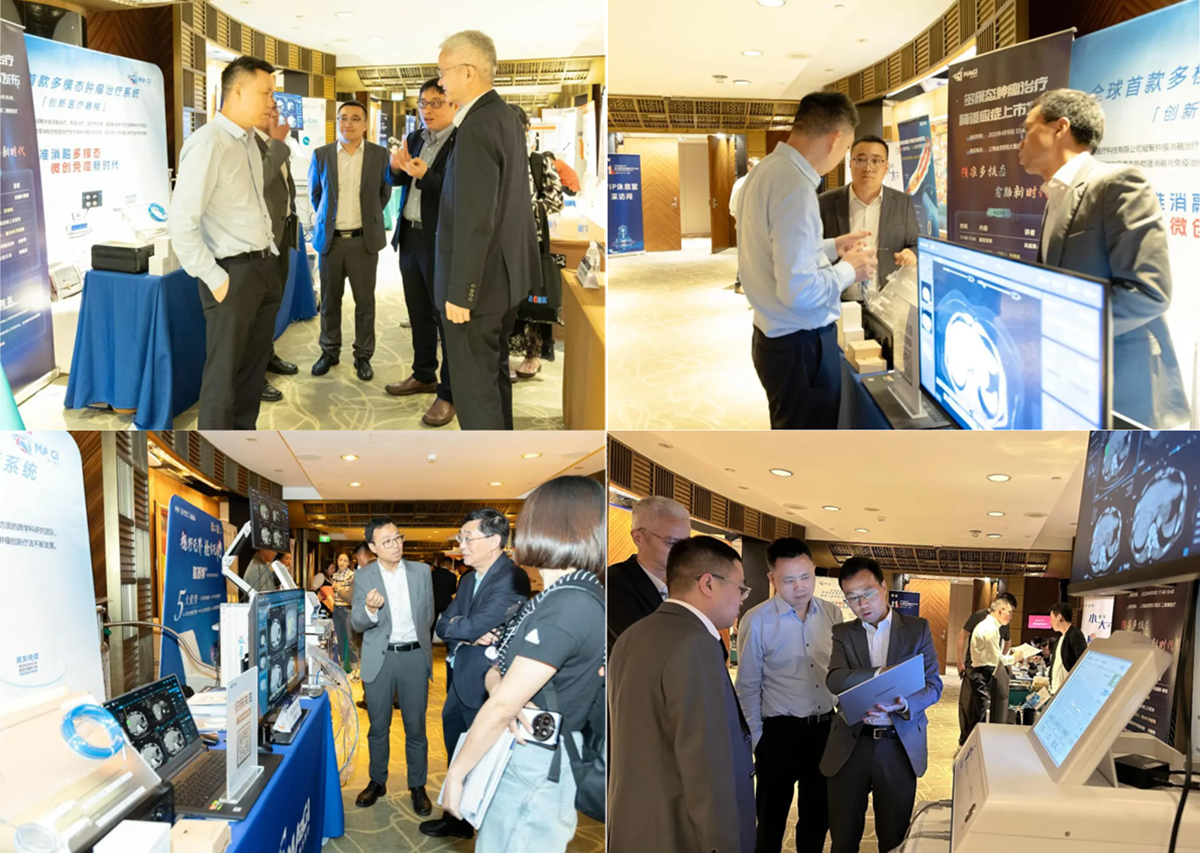
On April 18, at the "21st Academic Conference on Tumor Minimally Invasive Therapy & 24th Academic Conference on TumoAr Ablation Technology" of the Chinese Anti-Cancer Association, MAaGI Medical officially launched the lung cancer indication for its Multimodal Tumor Therapy System, introducing a new solution for pulmonary tumor therapy that is efficient, visualizable, precise, and provides durable efficacy.
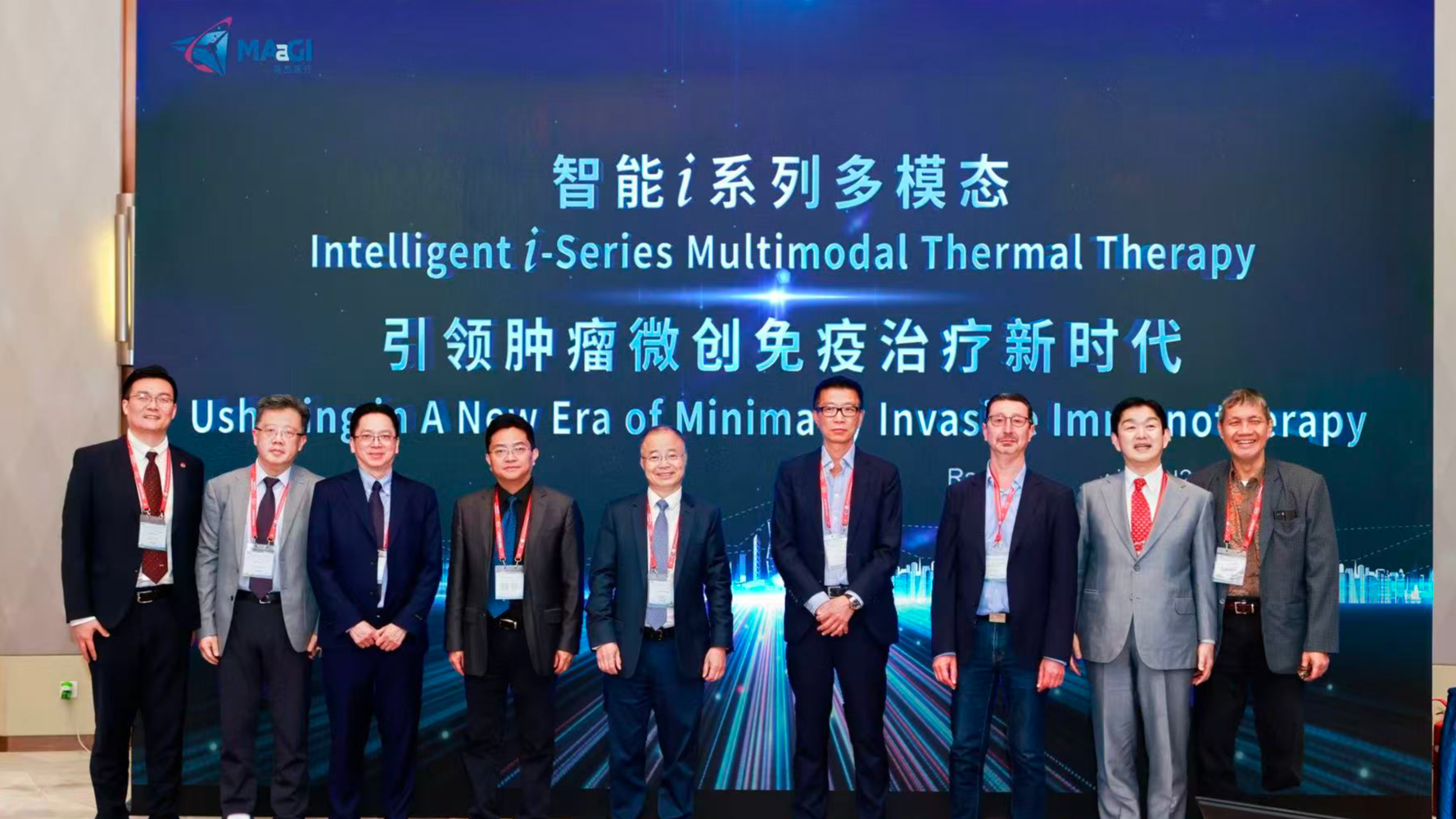
The launch of the lung cancer indication for the Multimodal Tumor Thermal Therapy System was jointly witnessed by esteemed experts including Professor Yueyong Xiao from the Chinese PLA General Hospital, Professor Bo Zhai from Shanghai East Hospital (affiliated with Tongji University), Professor Xinwei Han from the First Affiliated Hospital of Zhengzhou University, Professor Jijin Yang from the First Affiliated Hospital of Naval Medical University, Professor Wentao Li from Fudan University Shanghai Cancer Center, and Professor Weihua Dong from the Second Affiliated Hospital of Naval Medical University. Also in attendance were Mr. Yiran Wang, Chairman of Sinopharm Medical Holding Co., Ltd.; Professor Jianqi Sun, Vice Dean of the School of Biomedical Engineering at Shanghai Jiao Tong University and Chairman of MAaGI Medical; and Ms. Honglan Peng, CEO of MAaGI Medical.
Due to their heterogeneity and anatomical complexity, lung tumors have long been a challenging area for minimally invasive tumor therapy. During the seminar, participating experts engaged in in-depth discussions on the clinical demands and technological innovations in minimally invasive treatment of lung tumors.
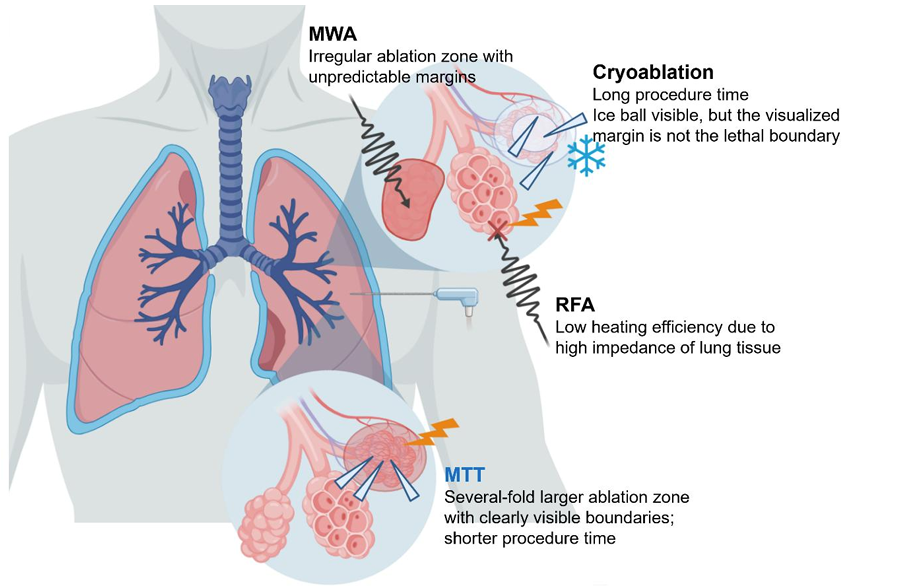
Experts acknowledged that traditional ablation techniques have certain limitations: while cryoablation offers clear margins, it is time-consuming and carries a risk of bleeding; thermal ablation, though efficient, often causes significant pain, has difficulty controlling the ablation zone, and is prone to thermal damage. There is a clear clinical need for innovative technologies to address these challenges.
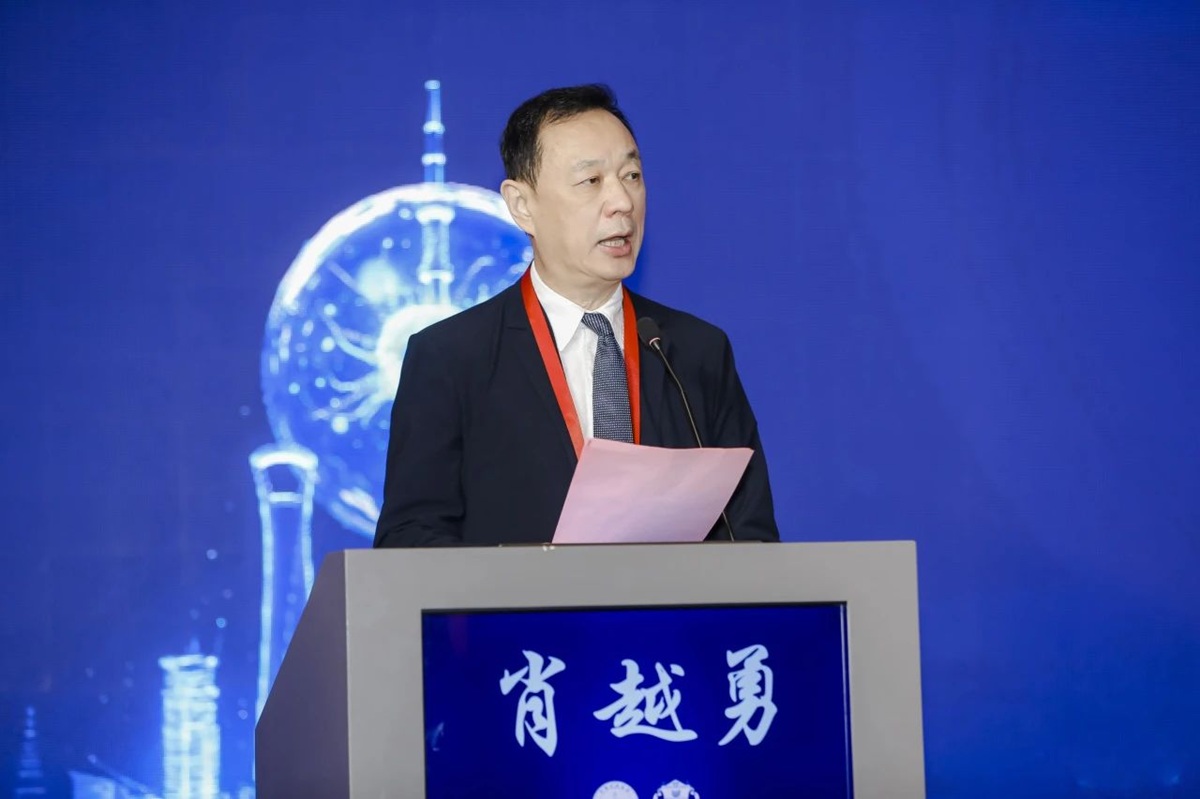
Professor Yueyong Xiao, former Chairman of the Minimally Invasive Tumor Therapy Committee of the Chinese Anti-Cancer Association, Vice President of the China Medicine Education Association, and professor at the Chinese PLA General Hospital, stated that the Multimodal Tumor Therapy System represents a significant achievement in China's interdisciplinary medical engineering and independent innovation. It provides a reliable clinical solution for the treatment of solid tumors, effectively controlling tumor growth and improving patient survival rates.
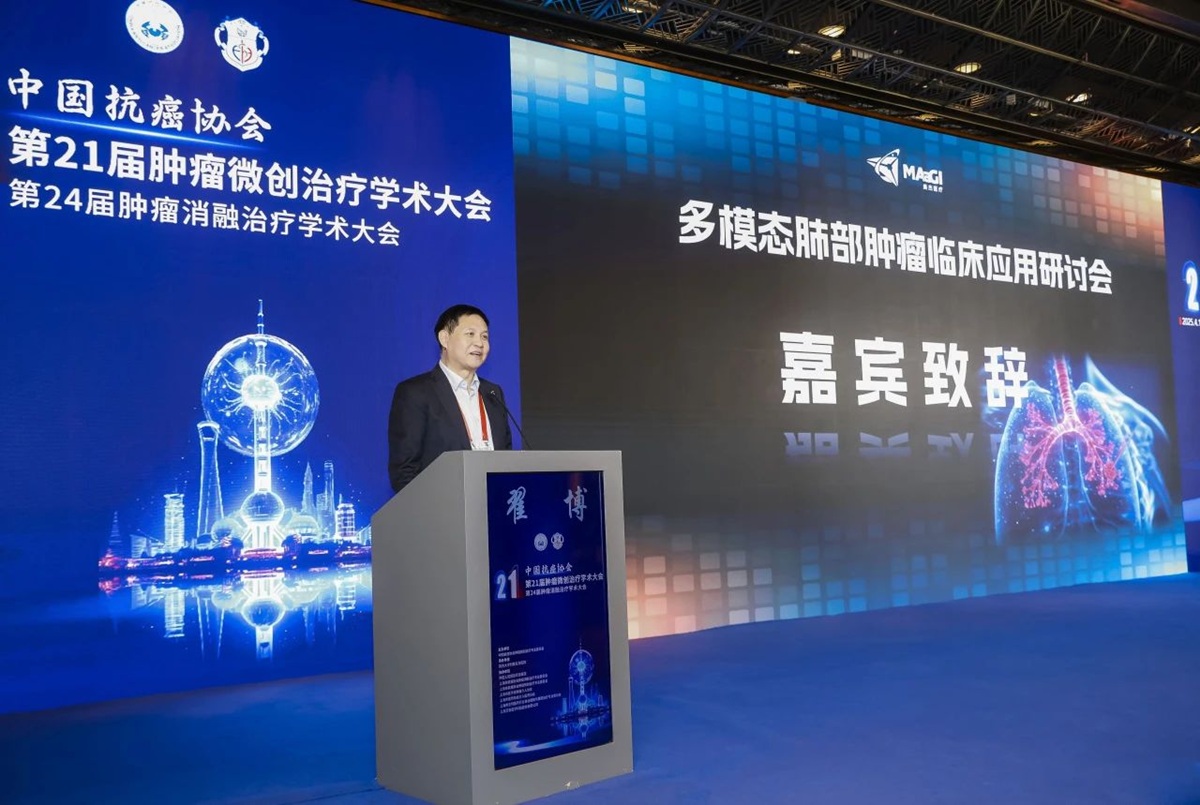
Professor Bo Zhai, the newly appointed Chairman of the Minimally Invasive Tumor Therapy Committee of the Chinese Anti-Cancer Association and a professor at Shanghai East Hospital (affiliated with Tongji University), expressed high expectations for the efficacy of multimodal tumor therapy technology in stimulating specific anti-tumor immune responses through minimally invasive means. He emphasized that the technology's ability to elicit such immune effects deserves further in-depth clinical exploration and holds the potential to bring forth entirely new approaches to immunotherapy.
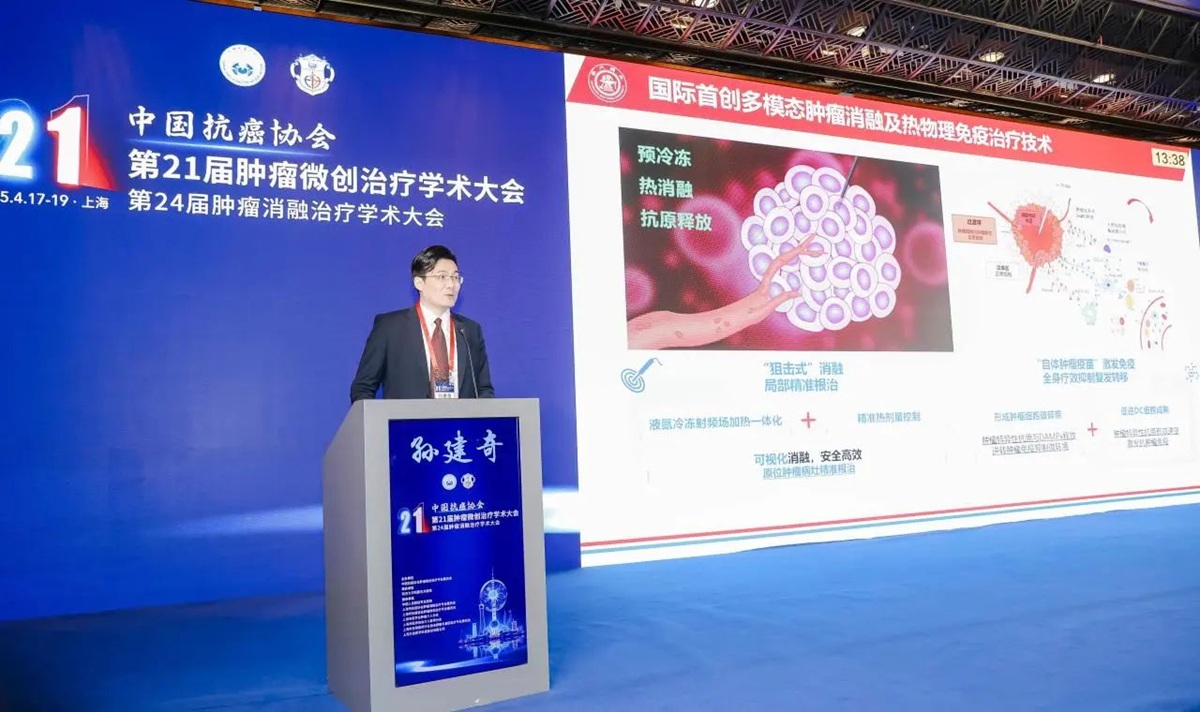
Professor Jianqi Sun delivered a keynote report titled "Innovative Advantages of Multimodal Lung Cancer Therapy," in which he explained how the Multimodal Tumor Therapy System, through its three newly upgraded core technologies, is redefining minimally invasive treatment for lung conditions.
"S-Series Ultra-Micromultimodal Therapy Probe"
Achieving Minimal Trauma and Fewer Complications
The new "S-Series Ultra-Micromultimodal Therapy Probe" utilizes nano‑processing to enable multimodal energy transmission through a 1.8 mm micro‑channel. With a 20% reduction in probe cross‑sectional area, it causes less tissue trauma and lowers the risk of complications such as pneumothorax.
4D Precision Thermal Dose Control
Overcoming Challenges in Treating High‑Risk Sites
The advanced 4D thermal dose control technology achieves a temperature precision of 0.3 °C and millimeter‑level boundary control of the treatment zone, ensuring that the 0 °C ice‑ball margin defines the effective ablation area. A characteristic "egg‑shell sign" is visualized during treatment, providing real‑time monitoring of the ablation range. This technology also enables safe treatment of tumors adjacent to critical structures (e.g., trachea, blood vessels, heart), breaking through the limitations of traditional approaches.
Adaptive Therapy Feedback System
Supporting Precise Treatment of Heterogeneous Lesions
The integrated adaptive therapy feedback function monitors real‑time parameters such as temperature and impedance during the procedure, assisting physicians in making precise intraoperative adjustments. Combined with a pre‑freezing phase, it standardizes the treatment of tumor tissues with different consistencies, effectively addressing the challenge of precisely ablating solid, semi‑solid, and ground‑glass heterogeneous lesions. At the same time, it promotes the release of active antigens and stimulates an anti‑tumor immune response.
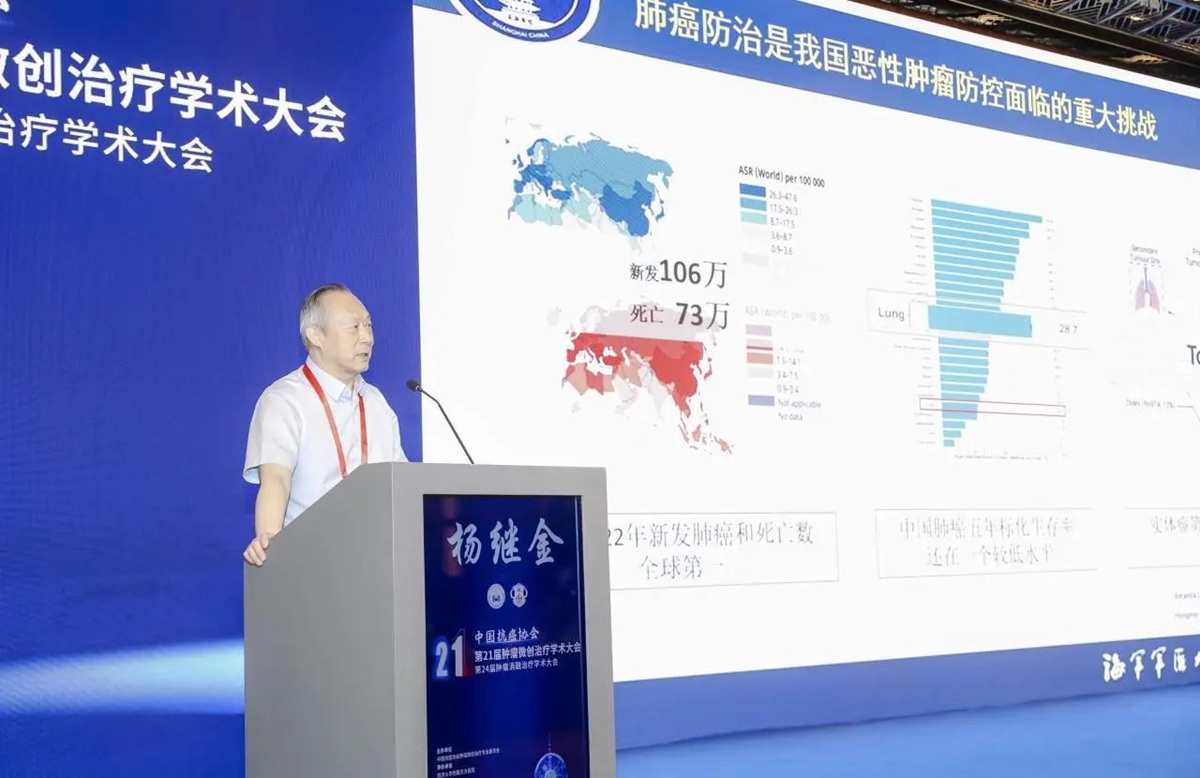
Professor Jijin Yang, President of the Interventional Physicians Branch of the Shanghai Medical Doctor Association and Director of the Interventional Department at Shanghai Changhai Hospital, delivered a specialized academic report, sharing in‑depth typical cases and clinical research outcomes.


 HOT
HOT